
The Citymeals Blog

Food for Though
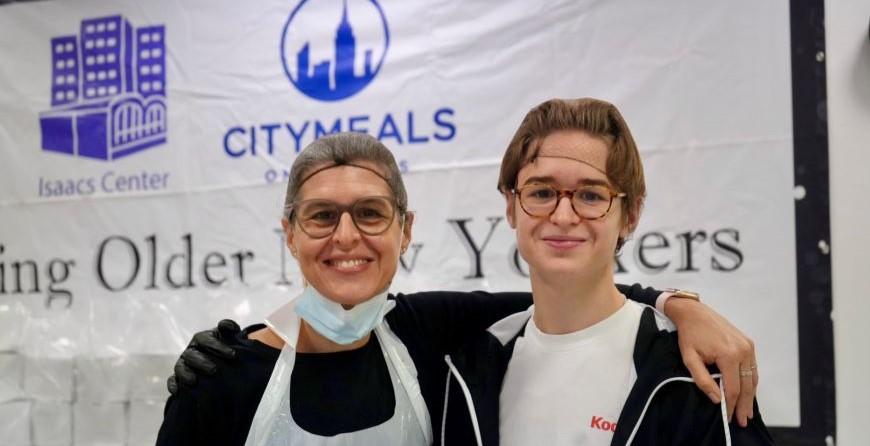
Two kitchen volunteers, dressed in aprons, smile at the camera.

Making a Difference

Citymeals delivers more than just meals. Each knock on the door brings connection to our older neighbors. For many, our meal deliverer may be the only person they see or talk to that day. Our research found that 38% of our meal recipients report experiencing feelings of depression and loneliness. But they’re not the only ones. People everywhere are experiencing what some are calling a “loneliness epidemic.”

Before the pandemic, half of Americans said they felt a significant degree of loneliness. That number has only increased — and those feelings can have devastating effects. In 2023, the U.S. Surgeon General said that people experiencing loneliness and isolation are more likely to have negative health outcomes. In fact, a lack of social connection can be comparable to smoking 15 cigarettes a day.

The solution, though, is simple: fostering connections in our communities.

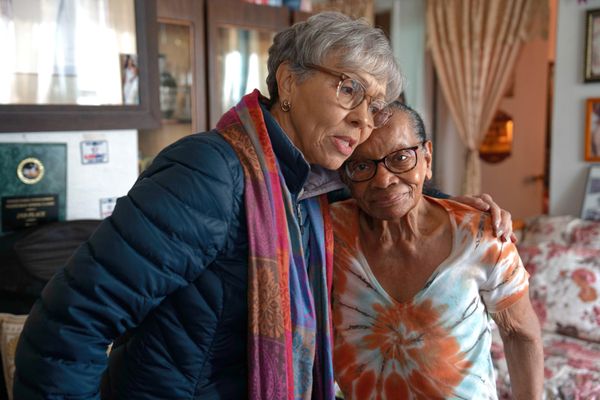
Rebecca delivers fresh groceries to meal recipient Grace.
As part of Citymeals' Shopping Assistance program, volunteer Rebecca has been delivering groceries to 90-year-old Grace. 

Volunteering can be a great way to meet new people and build those connections, as Abigail has learned. She volunteers with Citymeals, making phone calls to older New Yorkers during the holidays, when they might be feeling especially isolated.

Though she’s made hundreds of these calls, Abigail remembers one man in particular, who stayed on the phone longer than most recipients. “He took the opportunity to have a real conversation with someone he doesn’t know,” she says. “It was just meaningful to connect with someone, even if I’ll never meet him in person.”

Volunteering also comes with its own health benefits. It can lead to lower rates of depression and anxiety, especially for people 65 and older, according to the Mayo Clinic. Abigail has found that to be the case. “Any time I’m feeling out of control or like I want things to go better in the world, but I don’t know where to start, volunteering grounds me,” she says.

These benefits are more than mental, especially for older volunteers. A study from Carnegie Mellon University shows that older adults who volunteer for at least 200 hours each year decrease their risk of hypertension, or high blood pressure, by as much as 40%. It may also help reduce inflammation, improve immune response and enhance overall cognitive function.

Citymeals wants to help build a city where people can age with dignity and a sense of belonging — that means all of us, including our volunteers.

Rebecca finds that volunteering gives her hope that, as she continues to age, the community will care for her in return. “It’s a little bit paying it forward,” she says. “I’ll be 75 soon and so, the things that I’m currently able to do, I may not be able to do forever.”

Food For Thought