
The Citymeals Blog

Food for Though
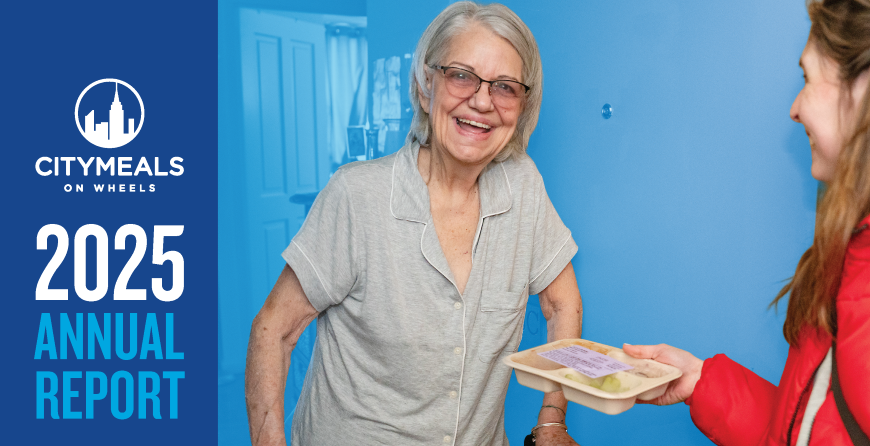
2025 Annual Report

Moving into 2026

As grocery prices continue to rise and key social programs, like SNAP, are threatened, the work Citymeals does has never been more necessary.

Last year, in light of the findings from our research on food insecurity, we set out to provide more food to the older people we serve. And we succeeded. In fiscal year 2025, we delivered over 190,000 more meals than the previous year through new and expanded programs, like our Breakfast Box.

Each Breakfast Box provides 30 days of second meals, including morning favorites like oatmeal, eggs and orange juice. “I eat breakfast every day. Always have,” says 83-year-old Carol. “When the breakfast started coming, that was wonderful because those are the things that I buy. It helps me out a lot.”

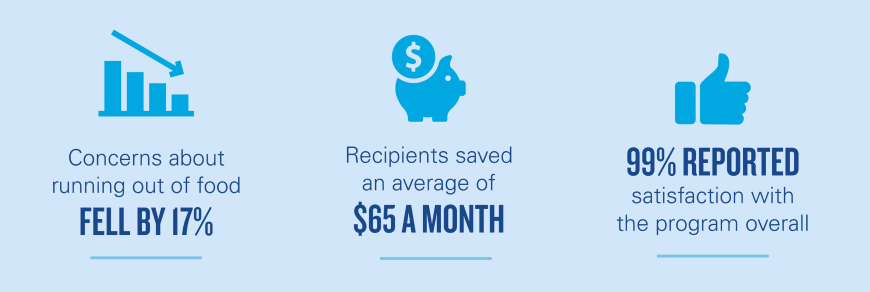
We’ve found that Breakfast Box deliveries save recipients an average of $65 a month, which they can put toward other food and essentials. That’s significant, especially for those getting by on $15,000 a year, like 65% of our recipients. The additional food is also increasing their sense of security — concerns about running out of food fell by 17% over the last year. Those participating in this program have called it “a blessing” and “essential.”

Concerns about running out of food fell by 17%; Recipients saved an average of $65 a month; 99% reported satisfaction with the program overall

For the older people who rely on us, Citymeals is more than a meal — we’re neighbors helping our fellow New Yorkers remain in the neighborhoods we all love.

Our new partnership with Life Story Club is forging new connections for recipients struggling with feelings of loneliness and isolation. Club members gather once a week online or over the phone to talk and share. It’s a way to make genuine friendships, later in life, when new opportunities can seem scarce. I got to see this impact first-hand when I attended an in-person get-together of one Life Story group this summer. I met Juan, who says getting this chance to talk to people his own age actually makes him feel younger.

We wouldn’t be able to provide this lifeline for 22,000 older New Yorkers without the dedication of our volunteers. Last year, 17,000 volunteers gave over 30,000 hours of their time to support our mission. Jessica, one of our corporate volunteers, knows just how important our work is. Years ago, her mother started receiving home-delivered meals.  Now, Jessica is helping pack them. “It’s come full circle for me,” she says. 

This year, as we continue to work toward our goal of ending elder hunger in New York City by 2040, I hope you’ll read our 2025 Annual Report in full and that you’ll look for ways to do your part. Because a city where no older New Yorker has to worry where their next meal is coming from is possible — but only if we work together.  

Food For Thought